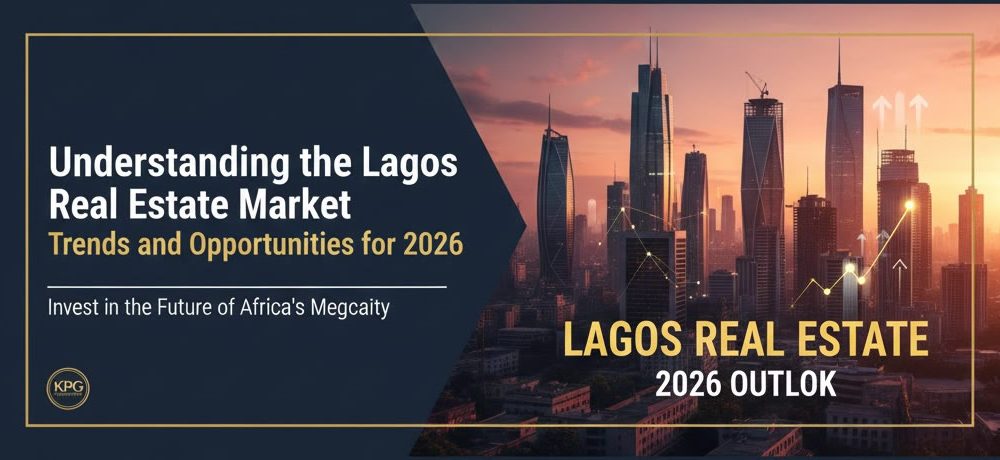
Lagos, Africa’s economic heart, continues its unrelenting march toward megacity status. With a population projected to hit 24 million by 2030, the demand for housing, commercial space, and supporting infrastructure is driving a real estate market that is constantly evolving. As we move into 2026, the landscape is being redefined by five major forces, presenting unique opportunities for savvy investors and home seekers alike.
1. The Great Expansion: Emerging Growth Corridors
As central areas like Ikoyi and Victoria Island reach saturation and premium price points, the market’s focus is decisively shifting outwards. The expansion is no longer just a possibility—it’s driven by significant government-backed infrastructure projects.
- Ibeju-Lekki-Epe Axis: Dubbed the “New Lagos,” this corridor remains the undisputed hotspot. Anchored by the Lekki Deep Sea Port, the Dangote Refinery, and the proposed Lekki International Airport, this area is transitioning from raw land to a major industrial and commercial hub. Opportunity: Investing in residential and commercial plots here offers high potential for long-term capital appreciation, especially in proximity to the Free Trade Zone.
- Badagry and Ikorodu: These areas are increasingly becoming attractive alternatives for affordable housing. The government’s focus on connecting the periphery is making them viable residential choices for Lagos workers priced out of the main city hubs.
- Mowe-Ofada (Ogun State Border): Offering a blend of affordability and accessibility via the expanding Lagos-Ibadan Expressway, this axis is gaining popularity for residential estate developments, attracting families and professionals looking for value without sacrificing connectivity.
2. Technology and Sustainability: The ESG Real Estate Shift
In 2026, developers are realizing that sustainability and technology are not optional extras, but core competitive advantages, especially in a region prone to power instability.
- Solar-First and Green Development: The trend is moving away from expensive automation systems towards energy-efficient, power-stable communities. Buyers and investors are prioritizing estates delivered with comprehensive solar power solutions, which drastically reduce operational costs and improve liveability. Opportunity: Look for “ESG-compliant” properties or developments focusing on green building materials and water recycling systems; these will command premium rental yields and higher resale values.
- PropTech and Data-Driven Decisions: The adoption of property technology (PropTech) is skyrocketing. Developers are using consumer data (Wi-Fi insights, digital payment patterns) to inform what they build, where they build it, and who they build for. This translates to more user-driven retail centers, co-working spaces, and highly efficient residential layouts.
3. Addressing the Housing Deficit: Affordable and Inclusionary Housing
Lagos faces a structural housing deficit estimated at over 3.4 million units. This gap is the market’s biggest challenge but also a massive opportunity, particularly in the mid-to-low income segments.
- Blended Finance Models: To tackle the deficit, expect to see more partnerships between the government and private developers utilizing blended finance (a mix of public and private capital). This is essential for unlocking truly affordable mortgage products and faster delivery of high-volume, middle-income housing projects.
- The Rental Market Boom: With over 70% of Lagos residents being renters, the demand for flexible housing remains strong. Opportunity: Short-let rentals and serviced apartments (especially in prime areas like Lekki Phase 1 and Oniru) continue to offer excellent cash flow driven by business travel and the diaspora market. Investors should also explore co-living and micro-unit models targeting young professionals seeking flexibility and community.
4. Enhanced Governance and Regulatory Transparency
Regulatory risk has historically deterred foreign and institutional investors. However, government efforts to digitize land titling and enforce strict building compliance are set to transform the market.
- Digitization of Titles: Expanded land titling and electronic building approvals are reducing fraud and accelerating transaction times. This increased transparency builds investor confidence.
- Focus on Corporate Structure: Developers who evolve from informal operators into properly structured, well-governed real estate companies are best positioned to attract institutional funding and joint venture opportunities in 2026.
Conclusion: Strategic Investment in a Transforming Market
The Lagos real estate market in 2026 is defined by two key dynamics: outwards geographic expansion and inward technological consolidation. Investors who succeed will be those who look beyond the traditional Ikoyi/Victoria Island core and strategically place capital in the emerging, infrastructure-backed corridors of Ibeju-Lekki and Epe. Furthermore, prioritizing sustainable, tech-enabled properties and partnering with developers who demonstrate strong governance will be the formula for maximizing returns in this dynamic and promising African market.